Fruit Ninja


What Is Fruit Ninja?
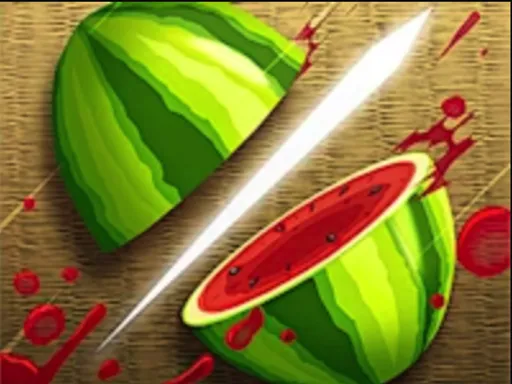
Fruit Ninja is one of those arcade games that feels simple in the first ten seconds and surprisingly deep after ten minutes. Fruits arc up from the bottom of the screen, and your only job is to cut them before they fall. The twist is that bombs appear in the same lanes, and one careless swipe can end a great run. That tension between speed and control is what keeps the game exciting, whether you are playing for one quick round or chasing a personal best for an hour.
If you are opening Fruit Ninja in a browser for the first time, the core loop is easy to understand: read the pattern, draw a clean line through fruit, then reset your hand position before the next wave arrives. As your rhythm improves, you start seeing opportunities for combos and safer routes around bombs. The game rewards calm decisions more than frantic motion, and that is exactly why high scores feel earned.
How a Browser Round Works
In most browser builds, each round is built around fast waves and short decision windows. Fruits usually rise in grouped arcs, which means you can often slice two or three pieces with one controlled stroke. Bombs are placed to tempt greedy paths, so your real challenge is not just to cut fruit but to pick the right fruit at the right moment.
You do not need long, dramatic swipes. Short, intentional cuts are easier to stop and redirect, which helps when a bomb appears beside a target you wanted. Missing fruit is part of learning, but forcing risky cuts creates bigger score losses than accepting one miss and keeping control. Think of each swipe as a tiny route planning problem: start point, end point, and what you must avoid in between.
Controls on Desktop and Mobile
On desktop, hold the mouse lightly and use a quick click-drag-release motion. Avoid dragging across the entire screen unless a wave is very clean. Smaller motions give you better braking, and braking keeps you alive in busy patterns. If your cursor movement feels heavy, reduce background apps and close extra tabs to keep frame pacing stable.
On mobile, landscape orientation usually gives a better view of incoming lanes. Use fingertip contact rather than pressing hard, and lift your finger between cuts so your next line starts from a neutral position. Many players improve quickly once they stop drawing giant curves and begin using shorter diagonal cuts that can be canceled early.
On either device, sound helps. The audio cues and slice rhythm make it easier to maintain pace, especially during dense waves. Even a small improvement in timing often adds more score than trying to increase raw swipe speed.
Modes, Objectives, and What to Practice
Fruit Ninja is known for multiple modes across versions, commonly including a survival-oriented classic style and timed score-focused play. In classic style, bomb avoidance and consistency are everything because one mistake can end momentum immediately. In timed formats, the objective shifts toward maximizing points per second, so combo efficiency becomes more important.
A useful training order is simple:
- Start with clean single cuts to stabilize accuracy.
- Move to two-fruit combos when arcs align naturally.
- Add selective aggression only when bomb spacing is readable.
Trying to skip this progression often causes plateau frustration. Most score jumps come from reducing bad swipes, not adding flashy ones.
Practical Tactics That Raise Scores
Read the Top of the Arc
The top section of a fruit's path is usually easiest to predict. Cutting near that point improves precision and lowers accidental bomb contact. When you slice too early at steep angles, your line tends to drift into nearby hazards.
Protect Combo Flow
Combo bonuses are powerful, but only if they come from stable patterns. Do not chase a distant single fruit if it forces a long cross-screen cut through bomb territory. Preserve your tempo and take the next safer cluster instead.
Use Reset Swipes
After a dense wave, make one short reset cut or pause briefly to recenter. This prevents panic chaining, where one rushed line leads to a second rushed line. Controlled resets are a hidden skill in high-level play.
Shrink Your Motion Under Pressure
When the screen feels chaotic, intentionally reduce swipe length. Shorter lines reduce error radius and let you recover visibility faster. Big curves look exciting but are less forgiving when multiple bombs overlap with fruit arcs.
Common Mistakes and Fast Fixes
The first common mistake is overcommitting to every fruit. You do not need to cut everything. Strategic misses are acceptable if they prevent bomb hits and keep your run alive. The second mistake is staying in motion constantly. Good rounds include micro-pauses that restore clarity. The third is ignoring hand fatigue. If your wrist tightens, your line quality drops, so take short breaks between attempts.
A quick recovery routine works well: play two calm rounds focused only on safe cuts, then one aggressive round for scoring. This rotation rebuilds confidence without reinforcing reckless habits.
Why Fruit Ninja Became a Long-Running Hit
Fruit Ninja launched on iPhone in April 2010 and quickly became one of the defining touch-era arcade games. The concept matched touch input perfectly: draw a line, get instant feedback, repeat. That design clarity helped the game spread across platforms and stay relevant through updates and new editions.
Its long-term appeal comes from a rare balance. Beginners can understand the rules immediately, while experienced players keep discovering better lines, tighter timing, and higher-efficiency combo routes. Each round is short, but the skill ceiling is high enough to support months of improvement.
Frequently Asked Questions
Can I play Fruit Ninja in a browser without installing anything?
Yes. Browser versions are designed for quick access, so you can jump into a round immediately on compatible desktop or mobile browsers.
What is the most important rule for beginners?
Avoid bombs first, score second. Surviving longer gives you more chances to build points than risky swipes that end a run early.
Should I use long swipes or short swipes?
Short swipes are usually better for control and recovery. Long swipes are situational and work best only when the lane is clearly safe.
How do I improve combo consistency?
Wait for fruit paths to converge, then cut through aligned targets with one clean line. Forcing combos on scattered fruit often lowers total score.
Do game modes change strategy?
Absolutely. Survival-oriented modes reward discipline and hazard avoidance, while timed modes reward efficient scoring and stronger combo uptime.
Why do my scores vary so much between runs?
Small timing differences have a big impact. Input stability, wave patterns, and decision quality in the first minute can change the entire result.



Comments
Loading comments…